
Why We Buy Half-Empty Suburban Office Buildings in Minneapolis (And Sleep Fine)
When I tell people at a dinner party that we own half a million square feet of office in the Twin Cities, I get the look. The one that says, "Didn't you read the news?"
I read the news. I also read the rent roll. Here is why we keep buying.
Two completely different assets share one word
When someone says office is dead, they mean a 30-story tower downtown with a single law firm on eight floors that just renewed for half the space. That building has one decision-maker, one lease, and one very large problem when it leaves.
What we buy is a 60,000 to 160,000 square foot building in Bloomington, Woodbury or New Hope with thirty to a hundred and thirty tenants in it. Insurance agents. Dentists. A staffing firm. A three-person engineering shop. An accountant who has been in suite 210 since 2009. Their average suite is about 1,800 square feet. Their lease is two or three years. None of them is material to the building's income.
These businesses did not go remote. A dentist cannot drill teeth over Zoom. The engineering shop has a plotter and a conference table and clients who visit. They need a nice, affordable, close-to-home office, and there are fewer of those buildings every year because nobody is building them.
What the math looks like
We bought our own headquarters, 7825 Washington Avenue South in Bloomington, in October 2024. 112,000 square feet, about half leased, for $4.8 million. That is $43 a square foot for a building that would cost $300 or more a foot to build today.
At that basis, the math is forgiving. We do not need 95% occupancy and $20 rents to make a 20% project-level return. We need to get from 50% to 80% at market rent, and we have the crews to build the suites and the brokers to lease them.
By August 2026 the building was valued at $11.7 million. In September we refinanced it and returned 75% of our partners' capital. They still own the building.
That is one building. Across the portfolio, we bought 30 buildings for $71.9 million, put another $10.8 million into them, and they are valued at roughly $100 million today. The office buildings are most of that.
Why the price is so low
Because almost nobody else wants them. Institutional money will not touch suburban office. Lenders are skittish. Brokers would rather sell industrial. So a 1970s building in New Hope with 51 suites trades at a price that assumes it stays half empty forever.
It does not stay half empty if you can build a spec suite in three weeks and have a broker on staff who shows it the day it is done. That is the whole business. We are not smarter than the market. We are just set up to do the work the market will not do.
What could go wrong
I would not trust anyone who told you nothing. Here is my list.
- Leverage. We keep it at 50 to 65% of cost and cap fund-level debt at 70% of value. One of our buildings in Colorado is carried below its debt after a mechanical failure. We disclose it in every document, and it is why we do not lever higher.
- Interest rates. Community-bank loans reset. We underwrite the reset, not the teaser.
- Capital. Small suites need constant turns and tenant improvements. We have our own construction company because paying retail for that work breaks the model.
- Valuations. Ours are Managing Member determinations backed by appraisals and broker opinions. They are not a sale price until there is a sale.
Why I sleep fine
Because the rent comes from 536 small businesses in one metro that I have operated in for twenty-one years, from buildings we bought at a fraction of replacement cost, run by a team that has a scorecard number on every roof and every suite.
The headline is about towers. The rent checks are from dentists. I will keep buying the dentists.
Sponsor-reported. Past performance is not indicative of future results. Interests in CIG-sponsored vehicles are offered only to accredited investors through definitive offering documents.
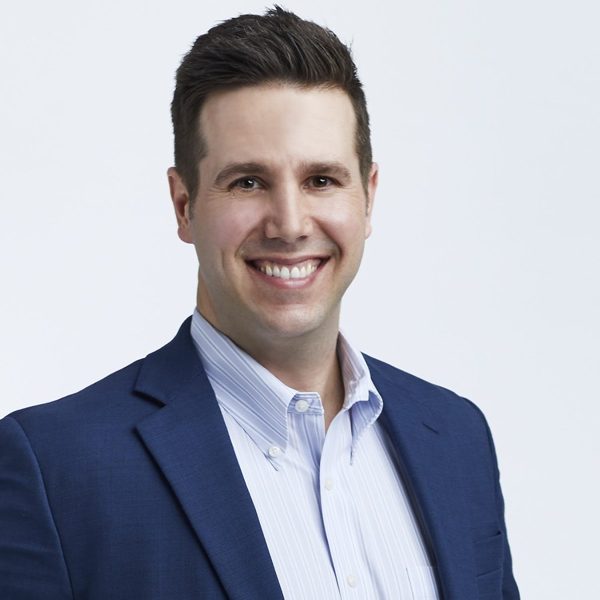
Mike Sowers, CCIM founded Commercial Investors Group in 2005 and is the Managing Member of AlphaDiv Real Estate Fund. He is the author of the Amazon bestseller Commercial Real Estate Investing and host of the CREative Commercial Real Estate Show. mike@cre-fund.com